Zonnebloemolie (linolzuur) waarschuwing
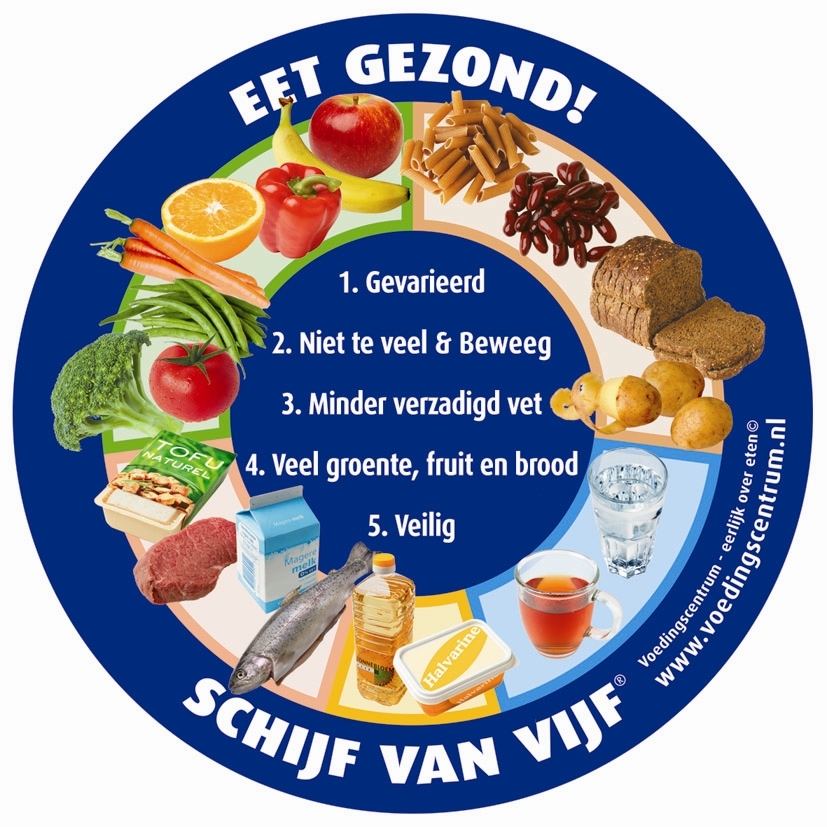
Zonnebloemolie, zoals in margarine, blijkt volgens de laatste inzichten het risico op hart- en vaatziekten te verhogen. Het is daarom vreemd dat het Voedingscentrum zonnebloemolie nog in de schijf van 5 heeft opgenomen. Gelukkig bestaan er voldoende andere vetten die wel goed zijn voor onze gezondheid
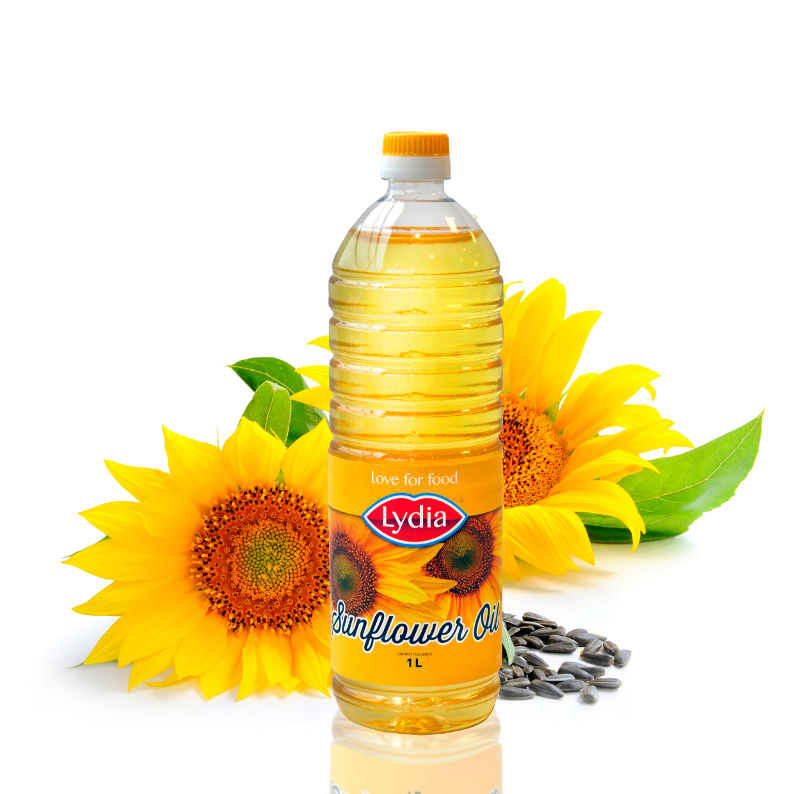
Zonnebloemolie verhoogt het risico op hart- en vaatziekten
Meervoudige onverzadigde omega-6 vetzuren blijken ongezond
In 2013 komt de NOS met een werkelijk schokkend bericht: “Omega-6 mogelijk ongezond”1. Maar hoe kan dat nu omega-6 is toch een meervoudig onverzadigd vet? Dat was toch, volgens het Voedingscentrum, erg gezond? De NOS schrijft echter: “Een nieuwe analyse van oude data laat zien dat hartpatiënten die verzadigde (dierlijke) vetten door plantaardige onverzadigde vetten met omega-6-vetzuur vervangen een grotere kans hebben om te sterven aan hart- en vaatziekten“,
De NOS besluit dit artikel over omega-6 met: “Volgens de onderzoekers kan deze conclusie grote gevolgen hebben voor dieetadviezen en gezondheidsaanbevelingen wereldwijd.”
De NOS baseert deze uitspraken op een meta-analyse waarin opnieuw gekeken werd naar de gegevens die verzameld waren in de Sydney Diet Heart Study, waarbij in een periode van zeven jaar in totaal 458 deelnemers betrokken waren. In dit onderzoek werd ontdekt dat deelnemers die verzadigd vet door onverzadigd omega-6 vet (linolzuur) vervingen een grotere kans hadden om aan een hart- of vaatziekte te overlijden2. Dat is vreemd want het Voedingscentrum beweert toch al 40 jaar het omgekeerde: “verzadigd vet is verkeerd en onverzadigd vet is oke“.
De reactie van het Voedingscentrum op het bericht van de NOS
Het Voedingscentrum reageert als volgt op de berichtgeving van de NOS: “Omega-6-vetzuren in halvarine, zoals linolzuur, kan je gewoon op brood eten. Een laagje halvarine is juist goed voor je“3. Ze staan dus totaal niet open voor dit nieuwe onderzoek en melden ook: “Eén onderzoek is geen onderzoek“. Het Voedingscentrum “vergeet” hier echter te melden dat er nog een ander groot onderzoek beschikbaar is waarbij meer dan 11.000 personen betrokken waren. In dit onderzoek wordt ook melding gemaakt van de schadelijke effecten van omega-6 op onze gezondheid4.
Zonnebloemolie bestaat voor meer dan 60% uit omega-6 = linolzuur
De meta-analyse die door het Voedingscentrum niet wordt genoemd meldt dat proefpersonen die overschakelden naar omega-6 vetzuren een 13 % hogere kans hadden om ten gevolge van een hart- of vaatziekte te overlijden4. Dit is slecht nieuws voor de Nederlandse bevolking want het meest gegeten meervoudige onverzadigde vet, zonnebloemolie, bevat meer dan 60% omega-6 (linolzuur)5.
Als een geneesmiddel 13% meer doden zou veroorzaken dan zou het uit de handel genomen worden. Dus je zou verwachten dat het Voedingscentrum op zijn minst vraagtekens zet achter producten met zonnebloemolie maar het omgekeerde gebeurt. Omega-6 wordt als gezond aangeprezen en zonnebloemolie wordt zelfs opgenomen in de schrijf van vijf6.
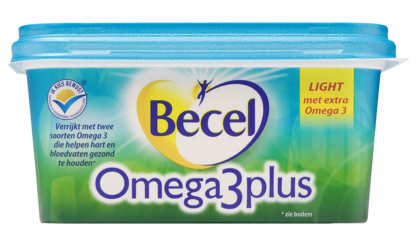
Bovendien geeft het Voedingscentrum Becel Omega3plus het “Ik Kies Bewust logo” terwijl dit product 16 x meer ongezonde omega-6 (zonnebloemolie) bevat dan gezonde omega-37. De naam van dit product is dan ook zeer misleidend.
De gezondheidsraad schrijft over het Ik Kies Bewust logo: “Bij de criteria die voor het Ik Kies Bewust logo worden toegepast vormt het bestaande productassortiment het belangrijkste uitgangspunt* en niet – zoals bij de voedingsvoorlichting – het huidige voedingspatroon in Nederland en de gewenste verbeteringen daarin”8. Met andere woorden het “ik kies bewust logo” wordt gebruikt om de verkoop van een bestaand product te stimuleren en niet, zoals het Voedingscentrum ons doet geloven, de Nederlander gezondere keuzes te laten maken.
Verzadigd vet blijkt het risico op hart- en vaatziekten niet te verhogen
Dus als je verzadigd vet vervangt door onverzadigde omega-6 vetzuren, zoals in zonnebloemolie, dan wordt het risico om te sterven ten gevolge van een hart- en vaatziekte groter. Maar hoe zit het dan met het advies van het Voedingscentrum “Onverzadigd vet = Oké en Verzadigd vet = Verkeerd” dat al decennia lang wordt gegeven?9,10. Het antwoord hierop is zeer onthutsend. Dit advies blijkt verkeerd te zijn. Onderzoek geeft namelijk aan dat er geen relatie is tussen de inname van verzadigd vet en hart- en vaatziekten.
Drie grote meta-analyses waarbij 1,3 miljoen personen betrokken waren concluderen dat verzadigd vet de kans op hart- en vaatziekten niet vergroot11-13. Dus als u het advies van het Voedingscentrum volgt en denkt dat verzadigd vet slecht is en onverzadigd vet goed dan maakt u de verkeerde voedingskeuzes en heeft u een hoger risico op hart- en vaatziekten.
Omega-6 / omega-3 ratio is belangrijk als het om uw gezondheid gaat
Oergenetisch gezien is een optimale verhouding 1 : 1
Hoe kan het op het gebied van voedingsadvies zo fout gaan in Nederland? Een onderzoek uit 2010 laat heel goed zien hoe dat komt4. De conclusie van het onderzoek is dat de kans op hart- en vaatziekten:
- met 22% OMLAAG ging in de groep die zowel omega-3 als omega-6 gebruikten
- en met 13% OMHOOG ging in de groep die alleen omega-6 gebruikten
Omega-3 en omega-6 zijn beide essentiële vetzuren. Het lichaam kan deze vetten dus niet zelf maken maar moeten uit voeding verkregen worden. We hebben deze vetzuren beide nodig maar wel in een de juiste verhouding. Dus als je onbewust voedingskeuzes maakt waardoor je voornamelijk omega-6 binnen krijgt gaat het fout.
Genetisch lijken we nog heel erg op de oermens14. We zijn daardoor eigenlijk nog steeds niet aangepast op het huidige westerse voedingspatroon15. En dat betekent dat een omega-6 / omega-3 ratio oergenetisch gezien 1:1 optimaal voor ons zou zijn16,17. Helaas is de verhouding omega-6 / omega-3 in onze voeding opgelopen tot een ongezonde 16 : 116. Sommige onderzoeken spreken zelfs over een verhouding van 25 : 117 Dat is slecht nieuws want een hoge omega-6 / omega-3 ratio verhoogt het risico op ernstige ziekten zoals hart- en vaatziekten en botontkalking18.
Misschien denkt u, ik eet gezond dus mijn omega ratio zal goed zijn. Maar zelfs als u de zonnebloemolie heeft weg gegooid kunt u toch nog veel omega-6 binnen krijgen. Bijvoorbeeld via brood. De omega-6 inname is door verschillende oorzaken de laatste jaren drie keer zo groot geworden19.
Omega-3 remt ontsteking, omega-6 bevordert ontsteking
Hoe kan het dat een hoge omega-6 / omega-3 ratio zo slecht voor ons is? Het zijn tenslotte beide essentiële vetzuren, we hebben ze toch nodig! Dat komt omdat omega-3 vetzuren ontstekingsreacties in het lichaam remmen en omega-6 de ontstekingsreacties bevordert20-24. Een hoge omega-6 / omega-3 ratio kan zelfs een laaggradige systemische ontsteking in het lichaam op gang brengen waardoor het risico op bijvoorbeeld diabetes type 2 toeneemt24,25. Het zal u misschien niet verbazen dat door een hoge inname van linolzuur (omega-6) in zonnebloemolie het risico op atherosclerose, een ziekte die wordt veroorzaakt door een laaggradige ontsteking, wordt verhoogd26-32. Atherosclerose is de oorzaak van vele vormen van hart- en vaatziekten.
Gezonde voedingskeuzen
Gebruik geen zonnebloemolie
Gebruik meer olijfolie
Zonnebloemolie bevat veel te veel linolzuur wat het risico op hart- en vaatziekten verhoogt. Daarom is het beter om olijfolie te gebruiken. Olijfolie is een onderdeel van de mediterrane voeding. Er zijn heel veel wetenschappelijke publicaties beschikbaar die aantonen dat het gebruik van olijfolie het risico op hart- en vaatziekten vermindert36-41. Het is niet verstandig om olijfolie sterk te verhitten. U moet ruim onder de rookgrens blijven. Als u met een hogere temperatuur wilt bakken kunt u beter roomboter of kokosvet gebruiken.
Gebruik ook kokosvet
Er zijn verschillende onderzoeken die aangeven dat kokosvet het risico op hart- vaatziekten verlaagt44-46. Kokosvet is een Medium Chain Triglyceride (MCT). Het is dus geen verzadigd vet maar ook geen onverzadigd vet. Kokosvet zit er eigenlijk tussen in46. Het Voedingscentrum geeft over kokosvet het verkeerde advies. Ze schrijven: “Kokosvet bevat het meeste verzadigd vet van alle vet- en oliesoorten. Verzadigd vet staat erom bekend niet goed te zijn voor de gezondheid. Het verhoogt het risico op hart- en vaatziekten“49. Met deze uitspraak maakt het Voedingscentrum twee fouten: (1) verzadigd vet verhoogt het risico op hart- en vaatziekten niet en (2) kokosvet is geen verzadigd vet maar een MCT50.
Ook als je wilt afvallen is kokosvet een goede keuze. Het verhoogt de verbranding waardoor u per dag meer calorieën verbrandt47,48. Kokosvet kan, net als roomboter, bij het bakken en braden gebruikt worden. Kokosvet blijft ook bij hoge temperaturen stabiel. Kokosvet kan met en zonder kokossmaak worden gekocht.
Gebruik geen margarine maar roomboter
Margarines worden van zonnebloemolie (linolzuur, omega-6) gemaakt door middel van hydrogenering34. Een hoge inname van zonnebloemolie verhoogt, zoals u heeft kunnen lezen, het risico op hart- en vaatziekten. Margarines bevatten ook transvetten. Deze schadelijke vetten ontstaan als er van een olie een smeerbare margarine wordt gemaakt33. Transvetten zijn zeer schadelijk voor onze gezondheid en zouden mogelijk het risico op hart- en vaatziekten en diabetes type 2 kunnen verhogen36,37. Een grote meta-analyse geeft dan ook aan dat transvetten het best vermeden kunnen worden door margarines te laten staan35.
Er blijkt geen relatie te bestaan tussen verzadigd vet en hart- en vaatziekten. Gebruik daarom geen margarine maar roomboter voor uw boterham en gebruik ook roomboter voor het bakken en braden. Roomboter is een verzadigd vet dat zeer stabiel blijft, ook bij hoge temperaturen.
Eet meer omega-3 vetten en minder omega-6
Er zijn twee belangrijke groepen omega-3 vetzuren, de plantaardige alfa-linoleenzuur (ALA) en de visvetten eicosapentaeenzuur (EPA) en docosahexaeenzuur (DHA)51. De plantaardige ALA komt voor in vlaszaadolie en in groene bladgroente zoals spinazie, maar ook in walnoten. ALA moet in het lichaam worden omgezet in EPA en DHA voordat het nuttig gebruikt kan worden. Gemiddelde omzettingspercentages liggen rond 6% voor de omzetting van ALA naar EPA en 3.8% voor de omzetting naar DHA. Bij een hoge omega-6 vetzuurinname dalen deze gemiddelde percentages met 40-50%51. Plantaardige omega-3 is dus niet echt effectief bij het verlagen van de omega-6 / omega-3 ratio. U kunt beter kiezen voor visvetten.
Eet minder brood: alle granen, dus ook brood, bevatten veel omega-6 vetzuren. Als u uw vetzuren in balans wilt brengen is het daarom verstandig om minder brood te eten.
De visvetten EPA en DHA verlagen het risico op hart- en vaatziekten52-56. 2 – 3 maal vette vis per week is aan te bevelen. Als u geen vis lust dan is het verstandig om een visoliesupplement te gebruiken. Want ook van visoliesupplementen is bewezen dat het het risico op hart- en vaatziekten verlaagt56.
Overweeg mediterrane of paleontische voeding
Over mediterrane voeding zijn vele wetenschappelijke publicaties beschikbaar die melden dat deze voedingswijze zeer gezond is57-63. De mediterrane voedingswijze blijkt bijvoorbeeld het risico op hart- en vaatziekten te verlagen57-60. Maar dat is niet het enige gezonde aspect van de mediterrane voedingswijze, het blijkt ook het risico op het metabole syndroom en diabetes type 2 te verlagen61,62. Het metabole syndroom wordt gezien als het voorstadium van diabetes type 2.

De Universiteit van Wageningen schrijft over de mediterrane voeding het volgende “Ouderen die zgn. mediterrane voeding gebruiken, leven gemiddeld langer dan generatiegenoten die een ‘gewoon’ voedingspatroon hebben“63. Dus het is beslist niet “te laat” als u besluit op deze manier te gaan eten.
Boerenkool met worst: Er zijn geen onderzoeken beschikbaar die melden dat de typische Nederlandse voeding gezond is. Er zijn wel onderzoeken die aangeven dat bewerkt vlees zoals rookworst, het risico op darmkanker vergroot. De NOS meldt in 2015: “Volgens de WHO verhoogt het dagelijks eten van 50 gram bewerkt vlees de kans op het ontwikkelen van darmkanker met 18 procent ten opzichte van mensen die niet zo veel bewerkt vlees eten”. Het is maar dat u het weet66,67.
U kunt ook een paleontische voedingswijze adopteren. Dan eet u in harmonie met uw (oer)genen. Tenslotte lijken we als mens genetisch nog steeds als twee druppels water op de oermens. Een paleontische voedingswijze verlaagt ook het risico op hart- en vaatziekten65

Wetenschappelijk onderzoek over zonnebloemolie
Alle beweringen in dit artikel worden met wetenschappelijk onderzoek onderbouwd. De kleine cijfertjes op deze pagina geven aan welk onderzoek gebruikt werd. U kunt dit onderzoek online nalezen op de pagina wetenschappelijk onderzoek.
De volgende Pillie Willie artikelen zijn herschreven
De Pillie Willie website wordt herschreven
Help anderen met hun gezondheid en deel deze nieuwe informatie.